
The global broiler industry has grown steadily and quickly in recent years, with large-scale farming emerging as the predominant trend. Breeding priorities are changing from yield maximization to comprehensive development, with an emphasis on efficiency, quality, and disease resistance, as genetic improvement technologies progress. However, issues with chicken manure disposal have become a significant barrier to the industry’s long-term growth.
Traditional methods of disposal no longer meet the requirements of modern farms. Open-air stockpiling harms the environment because it takes up a lot of land and causes odor pollution. By enabling the creative use of waste through scientific processing, the development of organic waste composting machines offers a novel solution to this issue.
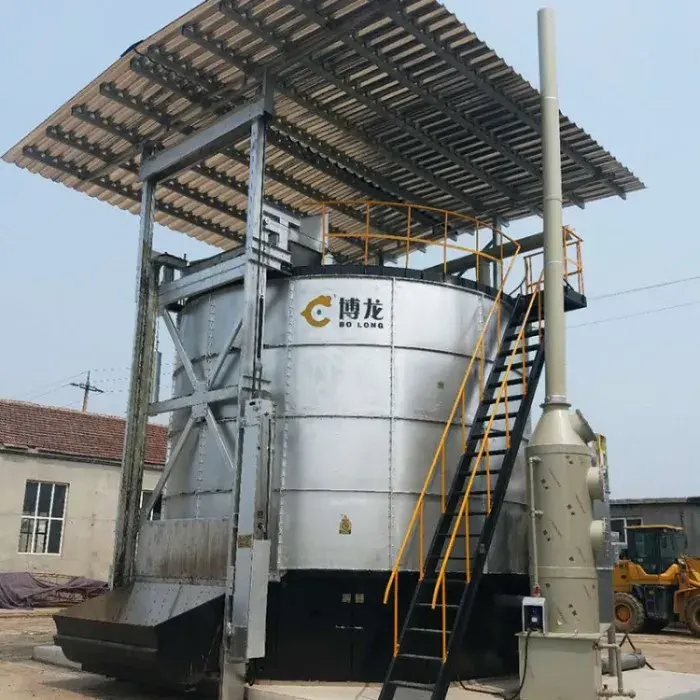
To address the particular needs of large-scale broiler farms, Bolong Company has developed specialized organic waste composting machine. These units use advanced 7-day, high-efficiency fermentation technology to precisely control critical parameters like temperature, humidity, and oxygen in order to convert chicken manure quickly and steadily.
The organic waste composting machine automatically maintains an optimal fermentation temperature of 60-70 °C to guarantee effective fermentation and effectively eliminate dangerous microorganisms. An efficient aeration system maximizes airflow distribution to guarantee a steady supply of oxygen and promote the activity of aerobic microorganisms. By reducing heat loss, the multi-layer insulation’s design drastically lowers operating energy consumption.
Organic waste composting machines offer significant, all-encompassing benefits in real-world applications. High-quality organic fertilizer that is high in nutrients like potassium, phosphorus, and nitrogen is created from processed chicken manure. This fertilizer can be applied directly to improve agricultural soil.
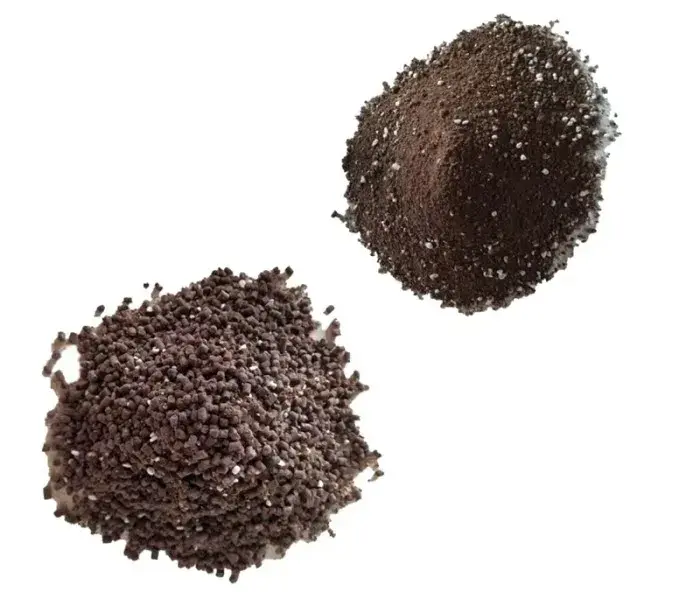
Significant environmental benefits also result from full compliance with international emission standards and odor control of over 95% during operation. When compared to traditional methods, automated processes can save up to 70% of labor costs. The equipment’s modular design makes it adaptable to farms of different sizes, providing appropriate configurations for everything from medium-sized businesses to large-scale breeding bases.
Consider the following before installing organic waste composting machines on your farm.
First, accurately calculate your daily and peak manure production. This information is needed to select equipment.
Second, evaluate site space.
Thirdly, learn local environmental and resource use laws to comply.
Highly efficient, energy-saving equipment offers better long-term benefits because energy consumption directly affects operating costs.
Labor requirements are determined by automation levels, with highly intelligent equipment providing easier management.
Technical training, maintenance help, and a supply of replacement parts should all be included in after-sales support, which is also essential.
High-efficiency organic waste composting machines help farmers balance economic and environmental benefits by enabling upgrades in the broiler industry. Farms can overcome ecological issues and grow by scientifically managing waste.
These organic waste composting machines represent an investment in environmental stewardship and growth for broiler farming companies seeking breakthroughs in development. During industrial upgrading, those who master advanced environmental technologies will have a market advantage.