
In Bangladesh, where agriculture accounts for 19% of GDP, the profitability of large scale composting machine for the production of organic fertiliser is capturing the attention of farmers.
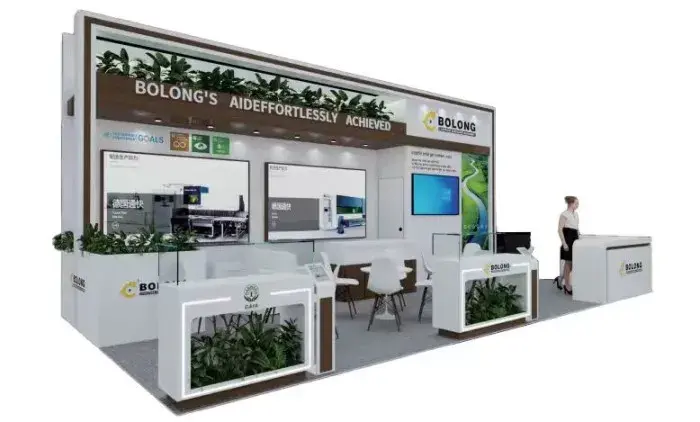
As the 6th Bangladesh International Animal Health and Livestock Exhibition (AHCAB 2026) approaches, industry professionals will convene at this premier event to address a core question: How can optimising fermentation tank configurations effectively control operational costs and enhance profit margins in organic fertiliser production?
Exhibition details:
Date: 8–10 January 2026
Venue: Dhaka International Convention Centre (ICCBD)
Booth numbers: 155–156–157
As Bangladesh’s largest and most significant livestock exhibition, AHCAB attracts global industry leaders. We look forward to engaging with you on this professional platform and delving into the practical challenges faced by fermentation tanks in real-world applications.
After conducting extensive research in the Bangladeshi market, we have discovered a crucial feature: the power consumption of fermentation tanks frequently becomes the bottleneck that limits profitability in large-scale organic fertilizer production. This predicament is caused by multiple important factors:
Extended equipment runtime results in a linear increase in power consumption as production scales up with fermentation tank usage.
The price of the finished product is directly impacted by the cost per kilowatt-hour in the highly competitive fertilizer market.
When choosing equipment, the majority of clients give operational costs-especially electricity costs-priority.
Because of our practical approach, we have made energy consumption control a top priority when designing our large scale composting equipment and services.
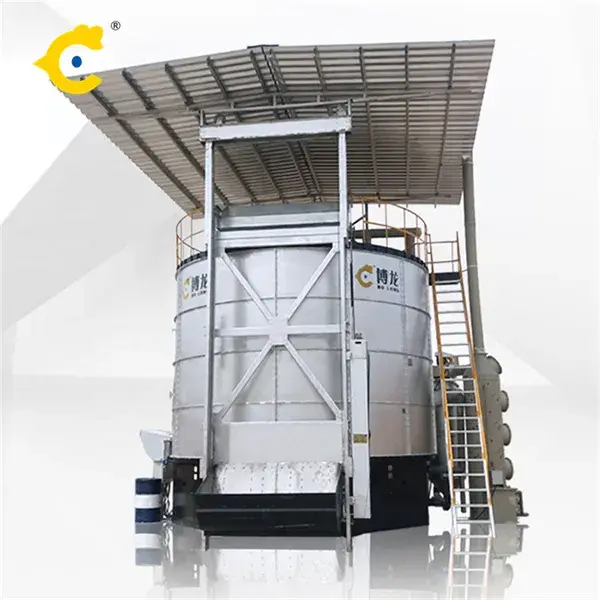
Innovative insulation materials and structural design minimise heat loss during operation.
Automatic adjustment of operating power based on fermentation stages prevents unnecessary energy consumption.
Continuous operation reduces the risk of production downtime due to equipment failure, thereby indirectly minimising energy waste.
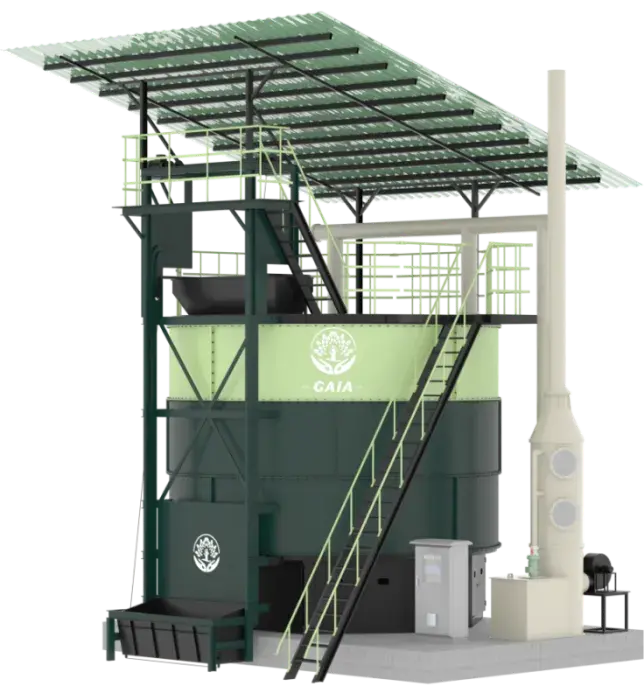
Optimising the initial investment in fermentation tanks: Shortening payback periods involves balancing equipment performance with acquisition costs.
Designing fermentation tanks for operational efficiency: Maintains high efficiency in critical processes while optimising energy consumption in non-core areas.
Fermentation tank maintenance cost control: Simplifying the equipment structure reduces long-term maintenance complexity and expenses.
Controlling fermentation tank operating costs is crucial for improving competitiveness as Bangladesh’s livestock industry grows. AHCAB 2026 provides a special opportunity to share applications of fermentation tank technology.
You are welcome to visit us!